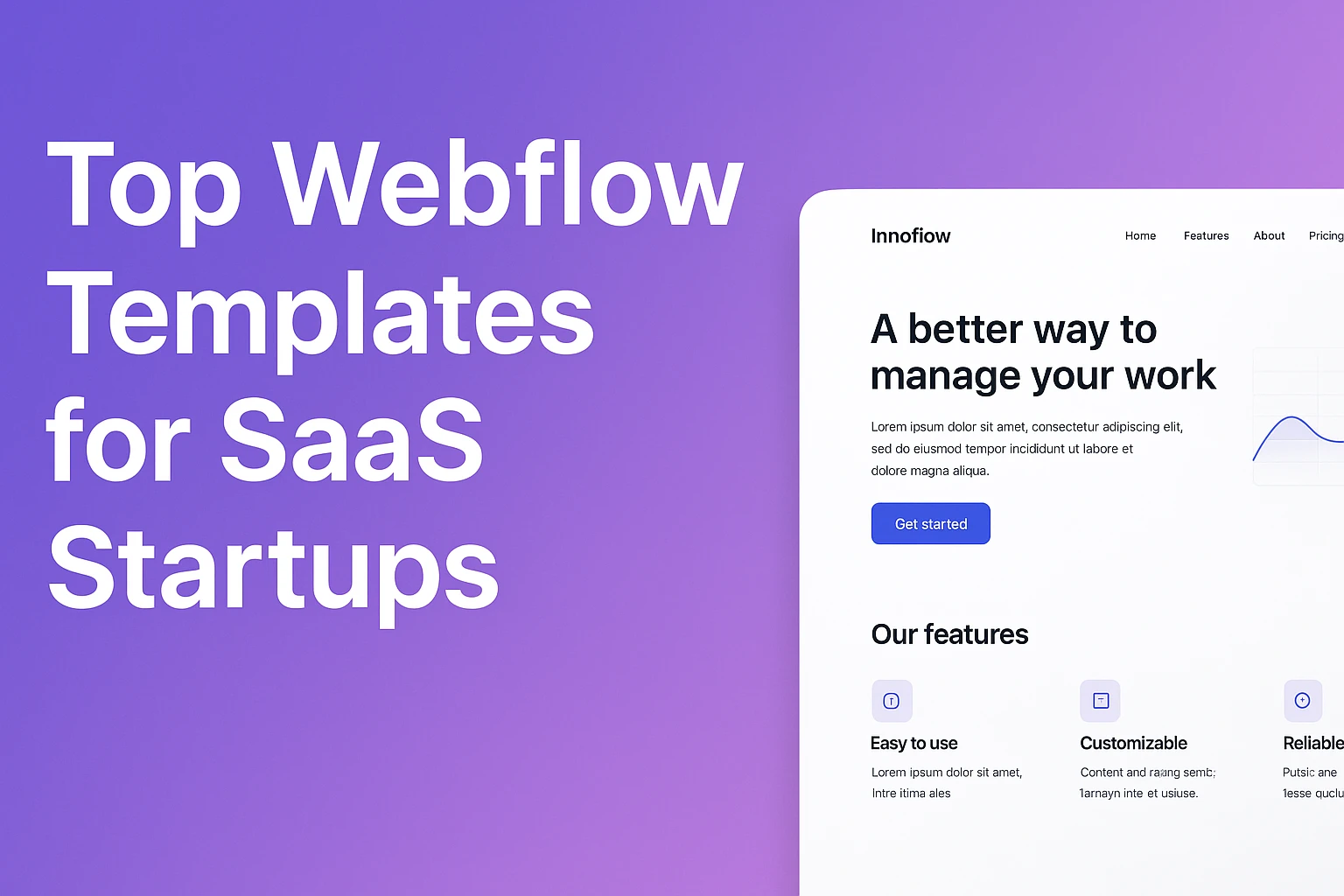
In the digital landscape, a strong online presence is essential for business success. Whether launching a new brand or revitalizing your current site, picking the right template is critical. With so many choices, finding a template that aligns with your goals can feel daunting. This article will guide you through selecting the best template and explain the advantages of using Webflow templates from Flow Samurai.
Steps to Choosing the Right Template
1. Define Your Website’s Purpose
Before browsing templates, identify your website's primary goals. Are you creating an informational site, a portfolio, or an e-commerce store? Knowing your objectives will help you filter out templates that don't meet your specific needs.
2. Align with Your Brand Identity
Your website should mirror your brand’s essence. Choose templates that resonate with your brand’s color scheme, typography, and overall aesthetic. Templates with customization options are ideal, allowing you to seamlessly integrate your branding elements.
3. Prioritize User Experience (UX)
A smooth UX is vital for retaining visitors. Opt for templates that offer clean, intuitive designs, easy navigation, and responsive layouts. Also, ensure that the template you choose supports fast loading speeds, as this is crucial for reducing bounce rates.
4. Ensure Mobile Responsiveness
With the rise of mobile browsing, a responsive design is non-negotiable. Select templates that adapt effortlessly to different screen sizes, providing an optimal experience for all users.
5. Look for Customization Flexibility
While templates offer a foundation, customization is key to standing out. Seek templates that allow you to modify layouts, fonts, colors, and images. This flexibility ensures that your site reflects your brand’s uniqueness.
6. Check for SEO-Friendly Features
SEO is critical for driving organic traffic. Choose a template that includes SEO-friendly features like clean code, meta tag support, and options for optimizing page titles and descriptions. This will help your website rank better in search engines.
7. Consider Integration Capabilities
Determine the third-party tools you’ll need, such as email marketing, social media integrations, or e-commerce functionalities. Ensure that the template supports these integrations to enhance your site's functionality and streamline operations.
Why Choose Flow Samurai’s Webflow Templates?
Flow Samurai offers a diverse range of expertly crafted Webflow templates tailored to various industries and website objectives. With Flow Samurai templates, you can easily build a visually stunning website that captures your brand’s vision.
User Experience Focused
Flow Samurai templates are designed with the user experience in mind, featuring intuitive navigation and responsive designs that ensure your website looks and performs well across all devices.
Highly Customizable
Our templates offer extensive customization options, allowing you to tailor your site to your specific needs. With a simple drag-and-drop editor, you can adjust colors, fonts, and layouts without needing any coding skills.
SEO Optimized
Flow Samurai templates are built with SEO in mind, helping you achieve better search engine rankings right from the start. With clean code and SEO-ready features, your site will be primed for organic traffic.
Seamless Integrations
Whether you need e-commerce functionality, social media integration, or newsletter signups, Flow Samurai templates support a variety of third-party tools to expand your site's capabilities.
Get Started with Flow Samurai
Explore our extensive collection of Webflow templates at Flow Samurai to find the perfect fit for your business. Check out our blog for tips on maximizing your Webflow site, or browse our free resources for tools to help you get started.
If you need professional assistance customizing a template, visit our Hire Us page to learn how we can help bring your vision to life. We also offer a variety of template categories, including agency, app, business, and more, to help you find exactly what you need.
Need more inspiration? Check out these articles:
- Why Webflow Template Customization is Key to Your Brand's Success
- Supercharge Your Business with Webflow Website Templates
- Top Selling Webflow Template Categories
Stay ahead in the digital game with a Webflow template from Flow Samurai. Your perfect website is just a click away!
Ready to get started? Visit Flow Samurai today.